
By Solange Tegwi
On the streets of many African cities, the sight of beggars with limbs ravaged by leprosy or eyes clouded by river blindness is a haunting reality. These individuals often endure more than just physical pain; they face deep-seated social stigma, frequently relegated to the fringes of society like the biblical Lazarus.
These conditions belong to a group known as Neglected Tropical Diseases (NTDs). This diverse category includes leprosy, elephantiasis, sleeping sickness, rabies, and trachoma. While largely preventable and treatable, they thrive in
Impoverished regions with poor sanitation, affecting over a billion people globally. They are termed “neglected” because they disproportionately affect the poor, resulting in a lack of political will, research, and funding compared to more high-profile diseases.
Structural Inequalities At The Root
Speaking at the fourth edition of the REMAPSEN (African Media Network for the Promotion of Health, Environment, Gender, and Human Rights) forum in Cotonou on January 29, Dr Kouame Jean Konan, the WHO Representative to Benin, noted that NTDs persist not for a lack of solutions, but due to enduring inequalities. He emphasized that these diseases are a stark depiction of structural failures rather than just a health crisis.
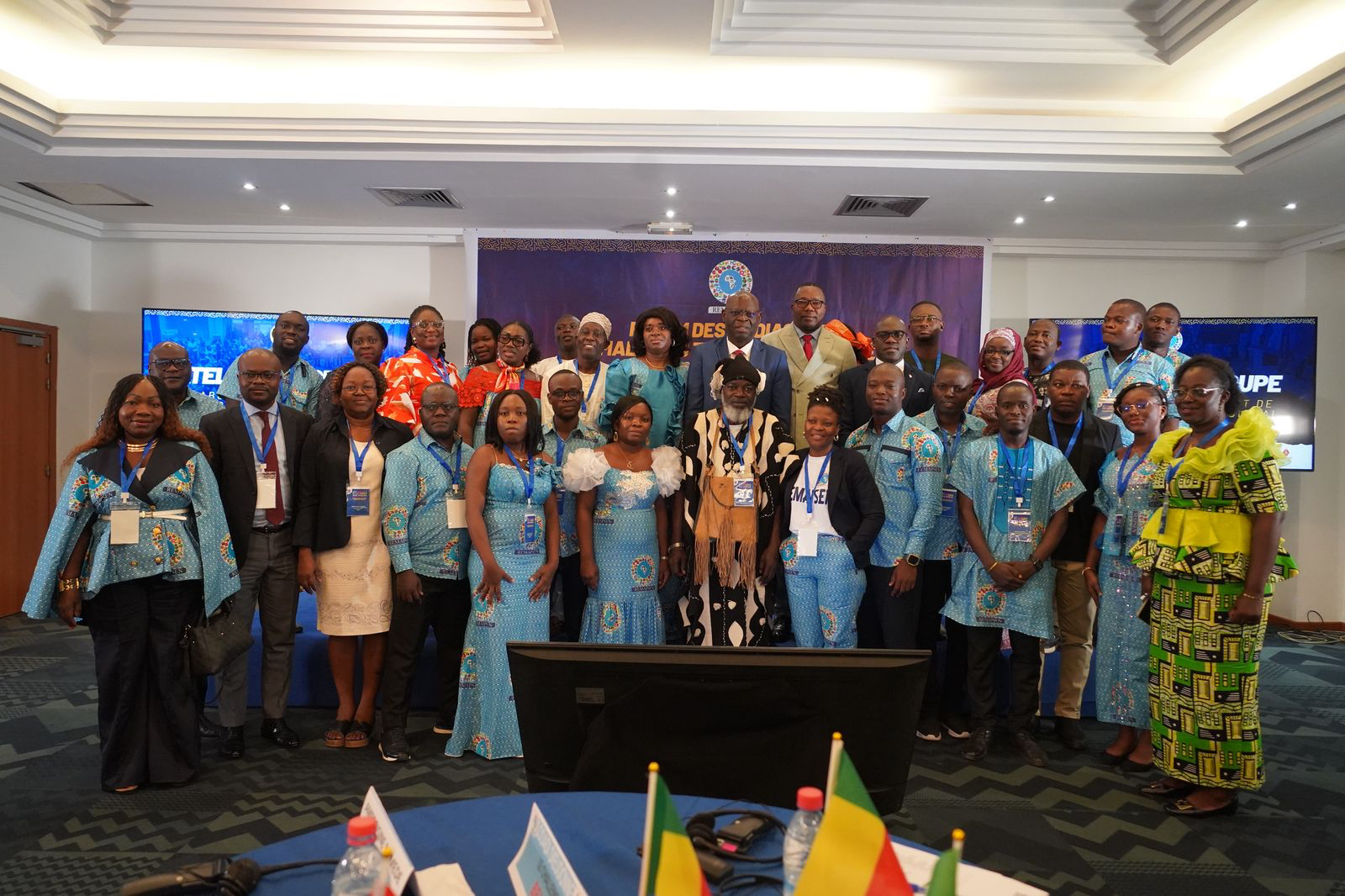
The two-day event brought together approximately 70 journalists from nearly 30 African countries. REMAPSEN President, Bamba Youssouf, highlighted that these diseases are “neglected” partly due to limited media exposure.
“The media are not just observers but game changers,” Youssouf stated. He argued that consistent, vigorous reporting is a catalyst for hope and can compel policymakers to take transformative action. The REMAPSEN platform serves as an avenue for journalists to refine their approach to these sensitive topics, encouraging an integrated strategy involving health, environment, and sustainable development.
The forum underscored that eliminating NTDs requires a unified front comprising states, development partners, civil society, and the media. Representing Cameroon at the event, Prince Mpondo, REMAPSEN President in Cameroon, joined the call for greater consideration of vulnerable populations in rural areas, where access to healthcare and information remains a significant hurdle.
The network has set an ambitious goal to produce 250 articles on the subject. The objective is to bring the plight of those affected into the limelight, ensuring decision-makers understand the impact of NTDs on education and social cohesion, ultimately making these diseases a thing of the past.